How Flowering Trees Improve Air Quality and Outdoor Comfort

By Nancy Penrose

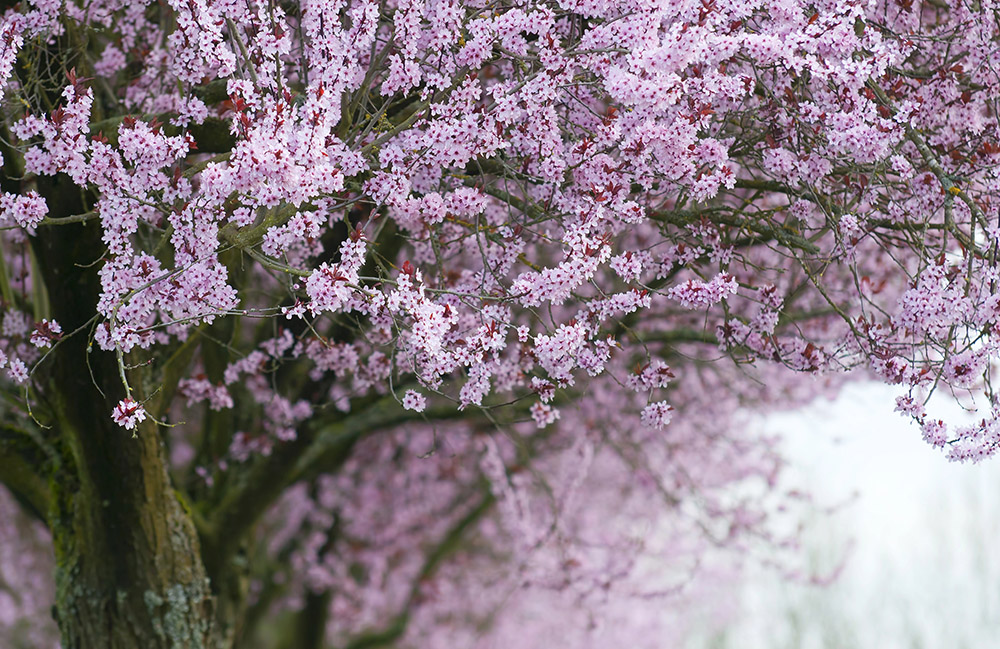
Flowering trees are often planted for their beauty, seasonal color, and ability to enhance curb appeal. However, their benefits go far beyond aesthetics. These trees can play a meaningful role in improving air quality, moderating temperatures, and creating more comfortable outdoor environments around homes and neighborhoods.

For homeowners, businesses, and communities looking to improve their outdoor spaces, flowering trees offer a practical and natural solution. By filtering pollutants, providing shade, and supporting healthier ecosystems, these trees help make outdoor areas cleaner, cooler, and more enjoyable.

Natural Air Filters for Your Yard

One of the most important environmental benefits of flowering trees is their ability to improve air quality. Trees act as natural air filters, absorbing harmful pollutants and trapping dust and particulate matter on their leaves.

Through the process of photosynthesis, trees absorb carbon dioxide from the air and release oxygen. This process helps reduce greenhouse gases and contributes to cleaner air overall. In urban and suburban environments where pollution levels tend to be higher, the presence of trees can make a noticeable difference in air quality.

The leaves and bark of trees also capture airborne particles such as dust, smoke, and pollen. These pollutants often settle onto the surface of leaves where they are later washed away by rain. Over time, this filtering effect helps reduce the amount of particulate matter circulating in the air around homes and streets.

Flowering trees provide these same air-cleaning benefits while also offering seasonal visual interest.

Cooling Your Outdoor Environment

Another major benefit of flowering trees is their ability to reduce heat and create cooler outdoor spaces. During warm months, trees provide shade that helps lower ground and air temperatures around homes and buildings.

Shaded areas under trees can be significantly cooler than nearby exposed surfaces such as concrete or asphalt. By blocking direct sunlight, trees prevent heat from building up on patios, walkways, driveways, and building walls.

In addition to shade, trees also cool the air through a process called transpiration. As water evaporates from the leaves, it removes heat from the surrounding air, producing a natural cooling effect similar to how perspiration cools the human body.

When strategically planted around a property, flowering trees can help reduce the “heat island” effect commonly found in urban and suburban environments. This can make outdoor living spaces far more comfortable during hot spring and summer days.

Creating Comfortable Outdoor Living Spaces

Flowering trees can transform outdoor areas into more pleasant and usable environments. Their shade, beauty, and ability to soften harsh sunlight make patios, gardens, and yards more inviting places to relax.

Many homeowners plant flowering trees near outdoor seating areas, decks, or walkways to create natural shade canopies. In spring, the blossoms add color and fragrance that enhance the overall outdoor experience.

Trees also act as natural windbreaks, helping reduce strong winds that can make outdoor areas uncomfortable. Even a few strategically placed trees can significantly improve the comfort level of a backyard or garden space.

For families who enjoy spending time outside, flowering trees help create a landscape that feels cooler, calmer, and more connected to nature.

Supporting Pollinators and Wildlife

Beyond air quality and temperature control, flowering trees support local ecosystems in important ways. Their blossoms provide nectar and pollen for pollinators such as bees, butterflies, and hummingbirds.

Pollinators play a vital role in maintaining healthy plant populations and supporting food production. By planting flowering trees, homeowners can help sustain these beneficial species while creating a more vibrant and diverse landscape.

Many flowering trees also produce berries or small fruits that attract birds and other wildlife. This adds life and movement to outdoor spaces while contributing to a balanced ecosystem.

Reducing Noise and Improving Atmosphere

Another often overlooked benefit of trees is their ability to reduce noise pollution. The leaves, branches, and trunks of trees help absorb and deflect sound, which can soften the impact of nearby traffic, construction, or neighborhood noise.

While trees won’t eliminate noise entirely, a row of flowering trees can create a noticeable reduction in sound levels. This contributes to a quieter and more peaceful outdoor environment.

In addition, trees create a visual buffer that makes spaces feel more private and relaxing. Their presence can transform a plain yard into a calming retreat.

Boosting Property Appeal

Flowering trees not only improve environmental conditions but also enhance the visual appeal of a property. A yard filled with spring blossoms immediately feels more welcoming and well-designed.

Real estate professionals often note that mature trees can increase perceived property value and curb appeal. Flowering varieties add the extra advantage of seasonal color, making landscapes stand out during peak blooming periods.

For homeowners looking to improve both the function and appearance of their outdoor spaces, flowering trees offer one of the most cost-effective landscaping upgrades available.

A Simple Step Toward a Healthier Environment

Planting flowering trees is a simple yet powerful way to improve the environment around your home. These trees help filter the air, cool outdoor spaces, support wildlife, and create more comfortable places for people to spend time outside.

Whether planted along walkways, near patios, or throughout a yard, flowering trees deliver lasting benefits that extend far beyond their beautiful spring blooms.

By adding just a few well-chosen trees to your landscape, you can create a healthier, cooler, and more enjoyable outdoor environment for years to come.

Nancy Penrose is the owner of Big Trees Inc., located in Snohomish, WA in the Seattle area. The company is one of the largest tree nurseries in the Seattle area with over 120,000 trees available in over 300 varieties. They not only deliver young trees, but also mature trees in a wide range of sizes. Some types of trees available include fall color, spring flowering, deciduous, evergreen, and privacy trees. The company also does tree transplanting, including large trees. Their blog can be seen at https://bigtreesupply.com/blog/ or http://arboristblog.com/. They can be reached at 360-563-2700.

Big Trees Inc.
10928 Springhetti Rd
Snohomish, WA 98296
360-563-2700


How Flowering Trees Improve Property Value in Spring and Beyond

By Nancy Penrose

When homeowners think about increasing property value, they often focus on interior renovations — kitchens, bathrooms, or flooring upgrades. But one of the most cost-effective ways to enhance both perceived and actual home value happens outside the home: planting flowering trees. These landscape additions do far more than provide seasonal beauty. They improve curb appeal, create long-term environmental benefits, and make properties more attractive to buyers year-round.

Whether you plan to sell soon or simply want to invest wisely in your home, flowering trees can deliver lasting value in ways many homeowners don’t fully realize.

First Impressions Matter: Instant Curb Appeal
Real estate professionals consistently emphasize the importance of first impressions. A home’s exterior is the first thing visitors — and potential buyers — notice, and flowering trees dramatically enhance visual appeal during spring.

When trees burst into bloom, they add color, texture, and dimension that lawns and shrubs alone cannot provide. A well-placed flowering tree near an entryway, driveway, or front yard creates a welcoming focal point that immediately signals care and maintenance.

Studies in real estate marketing have shown that homes with attractive landscaping can sell faster and often command higher offers. Spring blooms naturally draw attention in listing photos and drive-by viewings, helping a property stand out in competitive markets.

Increased Perceived Home Value
Flowering trees contribute to something known as perceived value. Buyers often associate mature landscaping with stability, quality, and reduced future work. A property with established trees feels more complete and move-in ready compared to one with sparse or newly planted landscaping.

Flowering tree varieties provide an added emotional impact. Blossoms create a sense of warmth and livability, helping buyers imagine themselves enjoying the space. This emotional connection can influence purchasing decisions just as strongly as square footage or interior upgrades.

In many cases, relatively modest investments in landscaping yield returns comparable to or greater than certain indoor renovations.

Seasonal Beauty That Extends Beyond Spring
While spring blooms may be the highlight, flowering trees provide benefits throughout the year. Many species offer multi-season interest, which enhances property appeal long after petals fall.

Depending on the variety, homeowners can enjoy:

  • Lush green summer canopies that provide shade
  • Attractive foliage color in autumn
  • Interesting bark textures or branching patterns in winter
  • Decorative fruit or seed structures that add visual interest

This year-round beauty ensures the landscape continues contributing to property value regardless of the season a home is listed or viewed.

Energy Savings Through Natural Shade
One often overlooked financial benefit of flowering trees is energy efficiency. Strategically planted trees can reduce cooling costs by shading homes during hot months.

Shade trees planted on the south and west sides of a property help block direct sunlight, lowering indoor temperatures and reducing reliance on air conditioning. Over time, this can translate into meaningful savings on energy bills, an appealing selling point for environmentally conscious buyers.

Additionally, trees help moderate surrounding air temperatures, creating more comfortable outdoor living spaces such as patios and gardens.

Environmental Benefits Buyers Appreciate
Today’s homebuyers increasingly value sustainability and environmentally friendly features. Flowering trees support healthier ecosystems in several ways:

  • Improving air quality by filtering pollutants
  • Absorbing carbon dioxide
  • Reducing stormwater runoff through root systems
  • Supporting pollinators like bees and butterflies

These ecological benefits contribute to a greener property overall, which can enhance market appeal — especially in communities where outdoor living and environmental stewardship are priorities.

Privacy and Noise Reduction
As flowering trees mature, they create natural screening that enhances privacy. Planted along property lines or near outdoor seating areas, they soften views from neighboring homes and nearby streets.

Tree canopies and foliage also help dampen sound, reducing traffic or neighborhood noise. This added sense of quiet and seclusion can make a property feel more peaceful and premium, qualities buyers are often willing to pay more for.

Low Maintenance, Long-Term Investment
Compared to many home improvement projects, flowering trees require relatively low ongoing maintenance once established. Proper species selection and placement are key to maximizing benefits while minimizing upkeep.

Choosing trees suited to the local climate and soil conditions ensures healthy growth and reliable blooming year after year. A reputable tree nursery can help homeowners select varieties that balance beauty, durability, and manageable care requirements.

Unlike short-lived landscaping features, trees continue growing in value over time. As they mature, their visual impact and functional benefits increase, making them one of the few home improvements that appreciate naturally.

A Smart Addition for Future Resale
Even if selling isn’t on the immediate horizon, planting flowering trees now is a forward-thinking investment. Trees take time to mature, and buyers often place higher value on established landscapes than newly planted ones.

By adding flowering trees today, homeowners allow them to develop size, structure, and presence, all of which contribute to higher resale appeal later. Mature trees can become defining features of a property, helping it stand out in listing photos and neighborhood comparisons.

Bringing Beauty and Value Together
Flowering trees offer a rare combination of aesthetic charm and practical advantages. They enhance curb appeal, reduce energy costs, support the environment, and create outdoor spaces people genuinely enjoy. Most importantly, they provide lasting improvements that grow more valuable with time.

For homeowners looking to boost property value in a natural, sustainable way, planting flowering trees is one of the smartest landscape investments available. With the right selection and placement, the beauty that begins in spring can continue adding value — financially and visually — for decades to come.


Nancy Penrose is the owner of Big Trees Inc., located in Snohomish, WA in the Seattle area. The company is one of the largest tree nurseries in the Seattle area with over 120,000 trees available in over 300 varieties. They not only deliver young trees, but also mature trees in a wide range of sizes. Some types of trees available include fall color, spring flowering, deciduous, evergreen, and privacy trees. The company also does tree transplanting, including large trees. Their blog can be seen at https://bigtreesupply.com/blog/ or http://arboristblog.com/. They can be reached at 360-563-2700.

Big Trees Inc.
10928 Springhetti Rd
Snohomish, WA 98296
360-563-2700


How to Prepare Your Yard Now for a Stunning Spring Landscape

By Nancy Penrose


Spring may feel far away, but the steps you take now will have a major impact on how your yard looks, and how your trees perform, when warmer weather arrives. For homeowners who want a lush, healthy, and visually striking landscape, winter and late-season preparation is especially important for yard trees.

Trees are long-term investments. Proper care during the cooler months helps them establish stronger roots, resist disease, and produce vibrant foliage in spring. Whether you’re nurturing mature trees or planning to plant new ones, early preparation sets the foundation for success.

Below are key steps homeowners can take now to prepare their yard trees for a stunning spring landscape.

Evaluate the Health of Your Existing Trees
Before spring growth begins, take time to inspect the trees already in your yard. Without dense foliage, it’s easier to spot structural issues, dead branches, or signs of disease.
Look for:

  • Broken, cracked, or hanging limbs
  • Dead or discolored branches
  • Fungal growth on trunks or roots
  • Signs of pests such as holes, sawdust, or damaged bark

Addressing these problems early prevents further damage and allows trees to direct energy toward healthy spring growth. If you’re unsure what you’re seeing, consulting a professional arborist or tree nursery expert can help determine the best course of action.

Prune Strategically for Stronger Growth
Late fall through winter is an ideal time to prune many deciduous trees. With leaves gone, the tree’s structure is visible, making it easier to remove problematic branches without stressing the tree.
Proper pruning:

  • Encourages healthier, more balanced growth
  • Improves airflow and sunlight penetration
  • Reduces the risk of storm damage
  • Enhances the tree’s natural shape

Avoid over-pruning, which can weaken trees and trigger excessive growth in spring. Each species has different pruning requirements, so it’s important to understand the needs of your specific trees or seek professional guidance.

Improve Soil Conditions Around Trees
Healthy trees start with healthy soil. Over time, soil can become compacted, nutrient-depleted, or poorly drained, especially in high-traffic yards.
Preparing soil now allows nutrients to be available when trees begin active growth in spring. Consider:

  • Loosening compacted soil around the root zone
  • Adding organic matter such as compost or mulch
  • Testing soil pH and nutrient levels

Avoid piling soil or mulch directly against the trunk, which can cause rot and invite pests. A well-maintained root zone helps trees absorb water and nutrients more efficiently once temperatures rise.

Mulch for Protection and Moisture Retention
Applying mulch around trees is one of the simplest and most effective steps homeowners can take. Mulch insulates roots against temperature swings, retains moisture, and suppresses weeds that compete for nutrients.
Apply a 2–4 inch layer of mulch in a wide ring around the tree, keeping it several inches away from the trunk. This “donut” approach protects roots while allowing proper airflow at the base.
Mulching now ensures trees are protected through the remaining cool months and ready for vigorous spring growth.

Plan Ahead for New Tree Plantings
If you’re considering adding trees to your yard, now is the perfect time to plan. Early preparation allows you to select the right species for your climate, soil, and available space.
When choosing new trees, consider:

  • Mature size and canopy spread
  • Sun and water requirements
  • Proximity to structures, utilities, and other plants
  • Seasonal interest such as spring blooms or fall color

Many trees establish best when planted before spring growth begins, allowing roots to settle in cool, moist soil. Working with a knowledgeable tree nursery helps ensure you choose healthy specimens suited to your landscape goals.

Check Irrigation and Drainage
Winter rains can reveal drainage issues that may impact tree health. Standing water around tree roots can lead to root rot and other problems once temperatures increase.
Inspect irrigation systems and natural drainage patterns now. Make sure water flows away from trunks and that irrigation systems are properly adjusted before spring use. Trees benefit from deep, infrequent watering rather than frequent shallow watering.
Addressing these issues early prevents stress during peak growing season.

Protect Trees from Late-Season Stress
Even in mild climates, trees can experience stress from fluctuating temperatures, wind, or late frosts. Young and newly planted trees are especially vulnerable.
Use stakes only if necessary, and ensure ties are loose enough to allow natural movement. Remove stakes once trees are established to prevent weak trunk development.
Healthy trees that experience minimal stress during winter are far better equipped to produce vibrant foliage and strong growth in spring.

Set the Stage for a Standout Spring Landscape
A stunning spring landscape doesn’t happen by accident—it’s the result of thoughtful preparation and proper tree care months in advance. By evaluating tree health, pruning strategically, improving soil, and planning new plantings now, homeowners give their yard trees everything they need to thrive.

Trees provide structure, shade, beauty, and long-term value to any landscape. With the right care today, they’ll reward you with a healthier, more beautiful yard when spring arrives.

For expert advice, high-quality trees, and personalized recommendations, your local tree nursery is an invaluable resource for preparing your landscape for the season ahead.

Nancy Penrose is the owner of Big Trees Inc., located in Snohomish, WA in the Seattle area. The company is one of the largest tree nurseries in the Seattle area with over 120,000 trees available in over 300 varieties. They not only deliver young trees, but also mature trees in a wide range of sizes. Some types of trees available include fall color, spring flowering, deciduous, evergreen, and privacy trees. The company also does tree transplanting, including large trees. Their blog can be seen at https://bigtreesupply.com/blog/ or http://arboristblog.com/. They can be reached at 360-563-2700.

Big Trees Inc.
10928 Springhetti Rd
Snohomish, WA 98296
360-563-2700

Why Your Trees Still Need You During Their Winter “Sleep”

By Nancy Penrose

When winter arrives, most people assume their trees tuck themselves into a cozy, bark-covered blanket, drift into a deep botanical sleep, and wake up in spring fresh, revived, and ready to grow.
While it’s true that trees do enter a period of dormancy, this seasonal “nap” is not as hands-off as many homeowners think. In fact, winter is one of the most important times of year to give your trees the care and protection they need to thrive when the snow melts and the growing season returns.

Just like a hibernating bear still needs a safe den and stored energy, your trees still depend on you. Yes, even during their winter downtime. Here’s why winter care matters and how you can give your trees the support they need during their cold-weather “sleep.”

Dormant Doesn’t Mean Dead
Dormancy is a survival mode, not an off switch. Trees slow their metabolism to conserve energy, but they remain very much alive. Beneath the bark, biological processes continue: cells protect themselves from freezing, roots slowly grow whenever soil temperature allows, and stored nutrients keep the tree functioning.

This means your trees are quietly preparing for spring. What you do (or don’t do) during winter affects how healthy and resilient they’ll be when the growing season returns. Ignore a tree during winter, and you may be dealing with pests, structural issues, and weak growth come April.

Winter Is Prime Time for Tree Stress
Winter brings challenges that trees don’t face during any other season. Some of these stresses remain invisible until it’s too late:

1. Freeze–Thaw Cycles
Repeated warming and cooling can cause splits in the bark—known as frost cracks—which weaken the trunk.

2. Winter Burn
Evergreens can lose moisture faster than they can replace it when the ground freezes, leading to browning needles and branch die-off.

3. Heavy Snow and Ice
Branches can break under the weight, especially in young or ornamental species.

4. Animal Damage
Rabbits, deer, and rodents consider your trees a winter snack buffet. Young bark is especially tempting when food is scarce.

Your trees aren’t complaining loudly about these issues, but they feel them. And they need your help to survive them.

Mulch: The Winter Blanket Your Trees Actually Want
If dormancy is your tree’s “sleep,” think of mulch as its fluffy comforter. A 2–4 inch layer of mulch around the base of your trees provides several winter benefits:

  • Insulates the soil, keeping roots warmer
  • Reduces freeze–thaw cycles that heave soil and disrupt root stability
  • Retains moisture during dry winter winds
  • Protects roots from temperature extremes

Just remember: keep mulch a few inches away from the trunk. You’re trying to tuck your tree in, not suffocate it.

Pruning in Winter: Nature’s Version of a Fresh Haircut
Winter is the best season for pruning. With the leaves gone, you have a clear view of the tree’s structure, making it easier to identify dead, diseased, or crossing branches.

Plus, pruning during dormancy:

  • Reduces stress on the tree
  • Minimizes sap loss
  • Helps prevent pest and disease spread
  • Encourages strong spring growth

Think of winter pruning as giving your tree a healthier, more balanced frame to grow from—like getting a good haircut before taking new photos.

Protecting the Trunk: A Simple Step That Can Save Your Tree
Young trees are particularly vulnerable to winter sunscald and animal damage. Here’s an easy fix: wrap the trunk.

Using tree wrap or a protective guard from the nursery:

  • Prevents cracking from rapid temperature changes
  • Stops deer from rubbing their antlers
  • Protects bark from rodents
  • Shields the trunk from harsh winter sun

It’s a small, inexpensive step that can save your tree from major harm.

Snow and Ice: Hands Off the Branches
It’s tempting to whack ice off branches or shake snow from young trees—but resist the urge. Ice can make branches brittle, and shaking can snap them under stress. Instead:

  • Gently broom off light snow (if accessible)
  • Leave ice alone to melt naturally
  • Support split branches with proper pruning, not DIY splints

Sometimes, the best winter care is doing nothing—but intentionally.

Dormancy = Preparation Time
If spring is the season of growth, winter is the season of preparation. By watering, mulching, pruning, and protecting your trees during their winter “sleep,” you’re helping ensure they wake up strong, healthy, and ready to thrive.

Your trees may look like they’re taking the season off, but beneath the surface they’re quietly working—and depending on you to get them safely to spring.

So this winter, grab your gloves, bundle up, and show your trees a little cold-weather love. They might not thank you out loud, but come spring, their vibrant growth will say it all.

Nancy Penrose is the owner of Big Trees Inc., located in Snohomish, WA in the Seattle area. The company is one of the largest tree nurseries in the Seattle area with over 120,000 trees available in over 300 varieties. They not only deliver young trees, but also mature trees in a wide range of sizes. Some types of trees available include fall color, spring flowering, deciduous, evergreen, and privacy trees. The company also does tree transplanting including large trees. Their blog can be seen at https://bigtreesupply.com/blog/ or http://arboristblog.com/. They can be reached at 360-563-2700.

Big Trees Inc.
10928 Springhetti Rd
Snohomish, WA 98296
360-563-2700

Benefits of Privacy Trees for Your Yard

by Nancy Penrose

In an age when our lives are increasingly shared online and neighborhoods are often built closer together, privacy in your own backyard can feel like a luxury. Fortunately, there’s a simple and natural solution: privacy trees. Whether you’re looking to block prying eyes, cut down on noise, or create a more peaceful atmosphere, planting privacy trees can completely transform your outdoor space. Beyond privacy, they offer a long list of environmental and aesthetic benefits that make them one of the smartest landscaping investments you can make.

1. Natural Privacy Without the Fences
The most obvious reason homeowners plant privacy trees is right there in the name — privacy. Tall, dense trees can create a living wall that blocks the view from neighbors, streets, or nearby buildings. Unlike fences, which can feel harsh or confining, trees create a softer, more natural barrier that blends into the landscape.

For example, evergreens like Emerald Green Arborvitae, Leyland cypress, or Excelsa Cedar maintain their foliage year-round, providing consistent screening even in winter. Deciduous trees like red maple or river birch may not offer total privacy in the colder months, but they bring beautiful seasonal color and texture to your yard.

A well-planned row of privacy trees can make your backyard feel like a secluded retreat—without ever needing to build a six-foot fence.

2. Noise Reduction and Wind Protection
Privacy trees don’t just block what you see — they also help with what you hear. Dense plantings can significantly reduce noise from nearby roads, neighbors, or construction. This makes them especially valuable in suburban or urban settings where ambient noise is constant.

Evergreen species, with their thick foliage, are particularly effective at muffling sound. The leaves and branches scatter and absorb sound waves, creating a natural acoustic barrier.

In addition, tall privacy trees can serve as a windbreak. By slowing down gusts of wind, they make outdoor living areas more comfortable and reduce wear and tear on your property. In colder climates, strategically placed windbreaks can even help lower heating bills by reducing wind chill around your home.

3. Enhancing Property Value and Curb Appeal
Landscaping plays a huge role in your property’s value, and mature trees are one of the most desirable features a home can have. According to several real estate studies, well-landscaped yards with established trees can increase property values by up to 15%.

Privacy trees not only add a sense of exclusivity and serenity, but they also make your yard look more finished and inviting. They provide structure, shade, and height variation that add depth and interest to your landscape design.

If you’re thinking about selling your home someday, a row of lush privacy trees could be a major selling point. Buyers often value the sense of seclusion and natural beauty they provide.

4. Environmental and Health Benefits
Beyond aesthetics and property value, privacy trees have tangible environmental benefits. Trees absorb carbon dioxide and release oxygen, helping to clean the air. They trap dust, pollutants, and particulate matter, improving air quality around your home.

They also provide shade, which helps cool the surrounding area and reduce the “heat island” effect that is common in urban neighborhoods. This can make your yard, and your house, significantly cooler during the summer, potentially cutting down on energy costs for air conditioning.

Trees also play a role in water management. Their root systems absorb rainfall, reduce runoff, and help prevent soil erosion. For homeowners with sloped yards, trees can help stabilize the ground and protect against drainage and erosion issues.

In short, privacy trees are not just good for you, they’re good for the planet.

5. Creating Wildlife Habitat
If you enjoy watching birds and other wildlife, privacy trees are a wonderful way to attract them. Dense foliage provides shelter for nesting birds, while flowering or fruiting varieties offer food sources.

Native species are especially valuable because they support local ecosystems. For example, planting a row of native holly or cedar trees can create a thriving mini-habitat for songbirds, butterflies, and beneficial insects.

A yard filled with privacy trees can feel alive, with the gentle sound of rustling leaves and birdsong replacing the noise of traffic or nearby neighbors.

6. Aesthetic Variety and Seasonal Interest
Privacy trees come in many shapes, colors, and textures, allowing you to design a landscape that suits your personal taste. You can go for the classic, uniform look of a trimmed hedge line, or a more natural, layered approach using different species for variety.

Some trees, like arborvitae, offer clean lines and year-round coverage, while others, like magnolias or cherry laurels, add beautiful blooms in spring and summer. Mixing evergreen and deciduous trees can create a balance of privacy, beauty, and seasonal interest throughout the year.

7. Low Maintenance and Long-Term Benefits
Compared to installing and maintaining a fence, privacy trees are a low-maintenance option that grows more valuable over time. Once established, many species require minimal care. Just occasional pruning and watering during dry periods.

And unlike fences, which deteriorate and eventually need replacing, trees become stronger and more attractive as they mature. With the right selection and planting strategy, your privacy screen will only get better with age.

8. A Natural Sanctuary
At the end of the day, the biggest benefit of privacy trees might be how they make you feel. A yard surrounded by greenery offers a sense of calm and refuge. Studies have shown that time spent in nature reduces stress, lowers blood pressure, and boosts mood.

Planting privacy trees turns your backyard into more than just a piece of property. It becomes a personal sanctuary. Whether you’re relaxing with a morning coffee, hosting friends, or watching the sunset, the tranquil backdrop of trees adds peace and beauty to every moment.

Final Thoughts
If you’re considering ways to improve your yard, privacy trees are one of the best investments you can make. They provide seclusion, beauty, environmental benefits, and long-term value all in one package. Whether you have a sprawling estate or a small urban lot, there’s a privacy tree variety that can transform your outdoor space into a serene, private haven. Plant them once, care for them well, and enjoy decades of quiet beauty.

Nancy Penrose is the owner of Big Trees Inc., located in Snohomish, WA in the Seattle area. The company is one of the largest tree nurseries in the Seattle area with over 120,000 trees available in over 300 varieties. They not only deliver young trees, but also mature trees in a wide range of sizes. Some types of trees available include fall color, spring flowering, deciduous, evergreen, and privacy trees. The company also does tree transplanting including large trees. Their blog can be seen at https://bigtreesupply.com/blog/ or http://arboristblog.com/. They can be reached at 360-563-2700.

Big Trees Inc.
10928 Springhetti Rd
Snohomish, WA 98296
360-563-2700

How to Best Prepare Your Trees for Winter

By Nancy Penrose

As the days grow shorter and temperatures begin to drop, most homeowners start thinking about cozy indoor activities, like getting the fireplace ready, not about what’s happening out in the yard. But before winter sets in, your trees could use a little extra attention.

Just like people, trees can struggle in harsh winter conditions. Cold temperatures, drying winds, heavy snow, and ice can take a toll on even the healthiest specimens. Fortunately, a bit of preparation in autumn can make all the difference in keeping your trees strong and thriving when spring arrives.

Here’s a step-by-step guide on how to best prepare your trees for winter, protecting them from damage, stress, and disease while promoting long-term health and growth.

1. Start with a Health Check

Before you begin any winter prep, take a close look at your trees. Are there dead branches, cracked limbs, or signs of disease? These can become dangerous in winter storms, when high winds and heavy snow can cause breakage.

Inspect the following:

  • Branches: Look for dead, broken, or rubbing branches.
  • Trunk: Check for cracks, peeling bark, or evidence of pests.
  • Roots and base: Make sure there are no signs of rot or fungus.

If you find major problems or suspect disease, consider calling a certified arborist. Catching and addressing issues early will prevent small problems from turning into big ones over the winter.

2. Prune with Purpose

Late fall is one of the best times to prune most deciduous trees. Once the leaves have fallen, it’s much easier to see the tree’s structure and identify which branches need to go. Pruning at this time also reduces the risk of disease transmission from insects, since most are dormant in cold weather.

Here’s how to prune correctly:

  • Remove dead, damaged, or diseased branches first.
  • Cut back any limbs that cross or rub against each other.
  • Avoid heavy pruning or topping. You don’t want to stress the tree before winter.

Always use clean, sharp tools, and make cuts just outside the branch collar (the slightly raised area where the branch meets the trunk). Proper pruning improves air circulation, reduces the risk of breakage from snow and ice, and helps your tree start strong in the spring.

3. Give Your Trees a Good Drink

One of the biggest threats to trees in winter isn’t the cold, it’s dehydration. As the ground freezes, roots have a harder time absorbing water. Meanwhile, dry winter winds continue to pull moisture from branches and needles.
That’s why watering deeply before the ground freezes is so important. In late fall, give your trees a thorough soaking to ensure the root zone is well hydrated. This is especially vital for young trees, evergreens, and those planted within the past few years.

To water effectively:

  • Place a slow-running hose at the base of the tree for 30–60 minutes.
  • Focus on the area under the canopy, where most roots are located.
  • Avoid watering when the temperature is below freezing or if the soil is saturated.

Moist soil retains heat better than dry soil, which can actually help protect the roots from extreme cold.

4. Apply Mulch for Insulation

Mulch acts like a warm blanket for your tree’s roots. It helps regulate soil temperature, retain moisture, and prevent frost heaving (when freeze-thaw cycles push young roots out of the ground).

Here’s the right way to mulch:

  • Spread a 2–4 inch layer of organic mulch, such as wood chips, bark, or shredded leaves, around the base of the tree.
  • Extend the mulch out as far as the tree’s drip line if possible.
  • Keep mulch a few inches away from the trunk to prevent rot and pest infestation.

Mulching in late fall, after the first hard frost, locks in moisture and adds an extra layer of protection during temperature swings.

5. Protect the Trunk from Cracking and Critters

During winter, the sun can heat the tree’s bark during the day, causing the cells to expand. When temperatures drop rapidly at night, those same cells contract — often resulting in vertical cracks known as frost cracks.
You can prevent this by wrapping the trunks of young or thin-barked trees (such as maples, crabapples, and fruit trees) with tree wrap or light-colored paper. Start at the base and wrap upward to the first branches, securing with tape or twine. Remove the wrap in early spring once the threat of freezing has passed.

Tree wraps also help protect against animal damage. In winter, hungry rodents, rabbits, and deer often gnaw on bark when food sources are scarce. Plastic tree guards or hardware cloth around the base can deter them effectively.

6. Don’t Forget Young Trees

Newly planted trees are especially vulnerable to winter stress. Their root systems are still developing, and they can easily dry out or heave out of the soil during freeze-thaw cycles.

To help young trees survive their first winters:

  • Stake them securely if they’re in windy areas.
  • Water consistently until the ground freezes.
  • Mulch generously and protect the trunk from frost and animals.

A little extra care now will help ensure your young trees grow into healthy, established specimens in the years to come.

Final Thoughts

Winter can be a tough season for trees, but with the right preparation, they’ll emerge in spring stronger than ever. A few simple actions: pruning, watering, mulching, and protecting, can make all the difference in preventing damage and promoting deep, healthy root growth.

Think of your fall efforts as an investment. The trees you care for now will repay you with beauty, shade, and cleaner air for decades to come. So before you retreat indoors for the season, take a few hours to prepare your trees for winter, and give them the best possible start for the year ahead.

Nancy Penrose is the owner of Big Trees Inc., located in Snohomish, WA in the Seattle area. The company is one of the largest tree nurseries in the Seattle area with over 120,000 trees available in over 300 varieties. They not only deliver young trees, but also mature trees in a wide range of sizes. Some types of trees available include fall color, spring flowering, deciduous, evergreen, and privacy trees. The company also does tree transplanting including large trees. Their blog can be seen at https://bigtreesupply.com/blog/ or http://arboristblog.com/. They can be reached at 360-563-2700.

Big Trees Inc.
10928 Springhetti Rd
Snohomish, WA 98296
360-563-2700

Why Your Trees Thrive When Planted in Cool Weather

By Nancy Penrose

If you’ve ever thought about planting a tree, you probably imagine a sunny spring day with birds chirping and bees buzzing. While spring planting is common, many experts actually recommend planting trees in cool weather, particularly in fall or early spring before temperatures climb too high. This may sound surprising, but planting trees in cooler weather can dramatically improve their health, reduce stress, and set them up for years of strong growth.

In this article, we’ll explore why cooler weather is the ideal time to plant, what’s happening below the soil during these seasons, and how you can improve your trees’ chances of thriving.

1. Cooler Weather = Less Stress on Trees
Just like people, trees can get stressed when it’s too hot. Planting a tree in the middle of summer means it has to deal with heat stress, intense sunlight, and the constant need for water, all while trying to establish its root system in unfamiliar soil.
When temperatures are mild, trees can focus their energy on root development rather than fighting off heat damage or water loss. Cool-weather planting lets them get settled without the extra burden of extreme weather conditions.

2. Roots Grow When You Can’t See It
One of the most fascinating things about planting in cool weather is what’s happening underground. Trees don’t stop growing when the air gets chilly, at least not right away. While their leaves may change color or drop in the fall, the roots continue to grow as long as the soil temperature stays above about 40°F.

This means that trees planted in fall or early spring can quietly build strong root systems before the heat of summer arrives. By the time the first hot day comes around, your tree is already anchored, with a network of roots that can more easily access water and nutrients. This early root development is crucial for long-term survival.

3. Reduced Watering Requirements
Newly planted trees need consistent moisture, but summer heat can quickly dry out soil and force you into a heavy watering schedule. Planting in cooler weather helps reduce evaporation and keeps soil moisture levels more stable.

Not only does this save you time (and water), but it also creates a more reliable environment for root development. Overwatering or underwatering are common mistakes that lead to transplant shock, and they’re easier to avoid when the weather is cool.

4. Fewer Pests and Diseases
Many insects and plant diseases slow down or go dormant as temperatures drop. When you plant in cool weather, your young tree is less likely to be attacked by pests or infected by fungal diseases that thrive in hot, humid conditions.

This gives the tree an important “grace period” to strengthen itself before pest season begins in full force. It also means you’re less likely to need chemical treatments or pest control interventions during the delicate establishment period.

5. Better Soil Conditions
Soil quality plays a huge role in tree health, and cooler weather tends to improve soil conditions for planting. In the fall, soil is still warm enough for root growth but not so dry or compacted as it might be during peak summer heat.

Additionally, fall and winter rains help naturally settle the soil around the tree’s root ball, eliminating air pockets and ensuring good contact between roots and surrounding earth. This is key for nutrient uptake and water absorption.

6. Trees Have a Head Start for Spring
When you plant in cool weather, your tree gets a head start on next year’s growing season. By spring, it already has an established root system and can put more energy into leaf, flower, and branch growth.
Trees planted in spring or summer often spend most of the first year just catching up and trying to survive. Planting earlier allows them to start the growing season strong, which means faster growth and better overall health.

Tips for Successful Cool-Weather Planting
Planting in cool weather gives your tree many advantages, but a few best practices will help you get the best results:

  • Choose the right species. Some trees handle cool-weather planting better than others. Deciduous trees (those that lose leaves in fall) generally do very well with autumn planting.
  • Dig the right hole. The hole should be approximately 6-12 inches wider than the root ball but no deeper than its height. This encourages roots to spread outward rather than upward.
  • Mulch, but not too much. A layer of mulch helps retain soil moisture and regulate temperature. Just make sure to keep mulch 6” away from the trunk to prevent rot.
  • Stake if needed. Young trees may need staking if you live in a windy area. Remove the stakes after one growing season so the tree can develop natural strength.

The Takeaway
Planting trees in cool weather isn’t just a gardening trick, it’s a science-backed way to give your trees the best possible start in life. With less stress, better soil conditions, fewer pests, and an early opportunity to establish roots, your tree will be well on its way to thriving for years to come.

Nancy Penrose is the owner of Big Trees Inc., located in Snohomish, WA in the Seattle area. The company is one of the largest tree nurseries in the Seattle area with over 120,000 trees available in over 300 varieties. They not only deliver young trees, but also mature trees in a wide range of sizes. Some types of trees available include fall color, spring flowering, deciduous, evergreen, and privacy trees. The company also does tree transplanting including large trees. Their blog can be seen at https://bigtreesupply.com/blog/ or http://arboristblog.com/. They can be reached at 360-563-2700.

Big Trees Inc.
10928 Springhetti Rd
Snohomish, WA 98296
360-563-2700

Top 7 Trees to Plant This Fall for Lasting Beauty

By Nancy Penrose

As the air turns crisp and leaves begin their vibrant transformation, fall becomes the perfect time to plant trees. The cooler soil encourages strong root growth, ensuring your new additions establish well before winter. To bring enduring beauty and seasonal charm to your landscape, consider these standout selections from Big Trees Supply’s Tree Finder.

1. Autumn Blaze Maple (Acer × freemanii ‘Autumn Blaze’)
This hybrid maple is a fall favorite, lighting up landscapes with brilliant red foliage. It’s often one of the first to change—and holds that fiery color longest—while also growing quickly into a majestic specimen, reaching around 50 feet tall and 40 feet wide.

2. October Glory Maple (Acer rubrum ‘October Glory’)
Reliable and radiant, this red maple variant delivers consistent deep red fall color. It’s a dependable choice for creating dynamic autumn scenery that homeowners can count on year after year.

3. Heritage River Birch (Betula nigra ‘Heritage’)
With striking yellow fall foliage and peeling bark that reveals soft tones of tan to salmon pink, this multi-stemmed birch adds both color and texture to any garden. It works beautifully as a solo focal point or in groups for a wooded effect.

4. Katsura Tree (Cercidiphyllum japonicum)
More than just visual—this tree also delights your sense of smell. Its heart-shaped leaves emerge with a red or purple tinge, later turning bluish-green, and in autumn transform to bright yellow with a sweet, sugary scent reminiscent of cotton candy.

5. Crimson King Maple (Acer platanoides ‘Crimson King’)
A dense shade tree with deep, purple foliage that endures from spring through fall, the Crimson King brings a rich, dramatic presence to lawns and streetscapes. It’s valued for its extended seasonal interest.

6. Weeping Willow (Salix alba)
Graceful and distinctive, the Weeping Willow offers movement and winter structure with its sweeping branches. Its golden stems provide visual interest long after the leaves have fallen, making it a year-round treasure in the landscape.

7. Emerald Green Arborvitae (Thuja occidentalis ‘Emerald Green’)
An evergreen that maintains rich green color through winter, this columnar tree is perfect for narrow spaces or as a natural privacy screen. Low-maintenance and easily trimmed when needed, it’s a practical and elegant choice for year-round structure.

Why Fall Planting Works Wonders

  • Optimal Root Development: Warmer soil and cooler air help young trees develop strong root systems before winter dormancy sets in.
  • Less Stressful Establishment: With lower temperatures and less water loss from evaporation, fall planting reduces transplant shock.
  • Admire Immediate Benefits: Some of these trees flaunt spectacular fall color soon after planting—an instant reward for your efforts.

Planning Tips for Your Fall Tree Project

Tip Why It’s Important
Check mature size Trees like Autumn Blaze Maple can grow 50 ft tall—plan space accordingly.
Select the right type Choose deciduous trees if you want vibrant fall colors; evergreens like Emerald Green give structure in winter.
Consider fragrance The Katsura’s sweet scent enhances sensory appeal beyond just visual beauty.
Space for form Weeping Willow’s sweeping branches and Emerald Green’s narrow form both need thoughtful placement.
Balance beauty with practicality Crimson King and Autumn Blaze offer bold color; Heritage Birch gives texture; and Emerald Green offers screening.

Putting It All Together
Planting one or a mix of these seven trees will enrich your landscape through all seasons:

  • Autumn Blaze Maple dazzles in red.
  • October Glory Maple brings reliable fall flair.
  • Heritage River Birch gives textured yellow tones and unique bark.
  • Katsura Tree captivates with color and scent.
  • Crimson King Maple offers dramatic purple foliage.
  • Weeping Willow provides architectural grace and winter interest.
  • Emerald Green Arborvitae ensures evergreen structure and privacy.

For best results, prepare planting holes properly, water deeply, and apply mulch. Bundle your choices wisely—maybe pair vibrant deciduous trees at the front of your yard with evergreens behind for year-round visual layering.

Fall offers the perfect window to plant for long-term beauty. With these selections from Big Trees Supply, you’re set for a landscape that delights in color, form, and fragrance during every season.

Nancy Penrose is the owner of Big Trees Inc., located in Snohomish, WA in the Seattle area. The company is one of the largest tree nurseries in the Seattle area with over 120,000 trees available in over 300 varieties. They not only deliver young trees, but also mature trees in a wide range of sizes. Some types of trees available include spring flowering, deciduous, evergreen, and privacy trees. The company also does tree transplanting including large trees. Their blog can be seen at https://bigtreesupply.com/blog/ or http://arboristblog.com/. They can be reached at 360-563-2700.

Big Trees Inc.
10928 Springhetti Rd
Snohomish, WA 98296
360-563-2700


Planning Ahead: Great Trees to Plant in Your Yard This Fall

By Nancy Penrose

When it comes to landscaping, timing is everything—and fall is one of the best times of the year to plant trees. While spring often gets the spotlight, many experienced gardeners and landscapers know that fall offers ideal conditions for establishing strong, healthy trees that will thrive for decades to come. If you’re planning improvements to your yard, now is the perfect time to consider what trees to plant come autumn.

Here’s why fall is such a great time for planting, plus a curated list of tree varieties that perform exceptionally well when planted in cooler months.

Why Plant Trees in Fall?
Fall offers several key advantages for planting:

  • Cooler Temperatures: The stress of hot summer days is behind us. Milder temperatures reduce transplant shock and allow young trees to establish more easily.
  • Moisture Availability: Autumn rains help keep the soil consistently moist, which is critical for new root development.
  • Root Growth Continues: Even after the leaves fall, tree roots continue to grow as long as the soil temperature stays above freezing. This gives trees a head start before the spring growing season.
  • Fewer Pests and Diseases: With insect activity and disease pressure slowing down, your new trees face fewer threats.

In short, planting in fall gives your tree the gift of time—several months to root in before the stress of summer returns.

Best Trees to Plant in Fall
Here are some excellent tree choices that establish well in fall and provide long-term beauty and function for your landscape:

1. Red Sunset Maple (Acer rubrum)
Red maples are among the most popular landscape trees in North America, known for their brilliant fall color, fast growth, and adaptability. They thrive in a wide range of soils and can tolerate wet conditions. Planting a red maple in the fall ensures strong root development, and you’ll be rewarded with blazing red foliage next autumn.

2. Japanese Maple (Acer palmatum)
Japanese maples are beloved for their delicate, lace-like leaves and elegant structure. Available in a wide variety of shapes, colors, and sizes—from deep red to vibrant green—they add striking ornamental value to any landscape. Ideal for smaller yards or accent plantings, they thrive in partial shade and well-drained soil. Fall is a great time to plant Japanese maples, giving their roots time to settle before spring growth begins. They’re particularly stunning in autumn, with brilliant red, orange, or gold foliage.

3. Crimson King Maple (Acer platanoides ‘Crimson King’)
This bold and beautiful maple variety features deep maroon to purple foliage that holds its color from spring through fall, making it a standout tree for dramatic contrast in the landscape. Crimson King Maples are hardy and adaptable, growing well in urban settings and a variety of soil types. They form a dense, rounded canopy that provides ample shade. Fall planting helps this slow-to-moderate grower establish roots before winter, setting the stage for vigorous spring growth.

4. Excelsa Cedar (Thuja plicata ‘Excelsa’)
Excelsa Cedar is a fast-growing, dense evergreen tree that’s ideal for privacy screens, windbreaks, or creating a natural green wall. Unlike Leyland Cypress, Excelsa Cedars are known for maintaining a fuller, more uniform shape as they mature. They tolerate a range of soil types, and their deep green foliage stays vibrant year-round. Planting in fall allows their root system to develop over the winter, ensuring a healthier, more resilient tree by spring.

5. Korean Dogwood (Cornus kousa)
Dogwoods are classic ornamental trees known for their spring blooms and graceful structure. Cornus kousa is an Asian variety that’s more resistant to disease. This type establishes well when planted in the fall and offer multi-season beauty.

6. Ginkgo (Ginkgo biloba)
Ginkgo trees are living fossils known for their fan-shaped leaves and vivid yellow fall color. They’re incredibly hardy, tolerant of urban conditions, and virtually pest-free. Be sure to choose a male cultivar (such as ‘Autumn Gold’) to avoid the unpleasant odor of female fruits.

Tips for Successful Fall Tree Planting
To get the most out of your fall tree planting, follow these best practices:

  • Plant Early in the Season: Aim for early to mid-fall to give roots time to establish before winter. In colder climates, plant no later than 4–6 weeks before the first hard frost.
  • Water Thoroughly: Even though temperatures are cooler, young trees still need consistent moisture to root properly. Water deeply once or twice a week, depending on rainfall.
  • Mulch Wisely: Apply 2–3 inches of mulch around the base of the tree, but keep it a few inches away from the trunk to prevent rot and pests.
  • Skip Fertilizer: Hold off on fertilizing newly planted trees in the fall. Encouraging new top growth right before winter can actually weaken the tree.
  • Stake if Necessary: If you’re planting in a windy location or with a top-heavy tree, staking can provide temporary support.

Plan Now, Enjoy for Years
By planning your tree selection now and preparing for fall planting, you’re making a smart investment in your landscape’s future. Trees provide shade, increase property value, reduce stormwater runoff, and create a habitat for birds and pollinators.

Whether you’re aiming for ornamental beauty, food production, or long-term shade, fall offers the perfect window to get trees in the ground and off to a strong start. Visit our nursery to see which varieties are available and appropriate for your growing zone (no appointment needed). And don’t hesitate to ask for help selecting the right species for your yard.

Nancy Penrose is the owner of Big Trees Inc., located in Snohomish, WA in the Seattle area. The company is one of the largest tree nurseries in the Seattle area with over 120,000 trees available in over 300 varieties. They not only deliver young trees, but also mature trees in a wide range of sizes. Some types of trees available include spring flowering, deciduous, evergreen, and privacy trees. The company also does tree transplanting including large trees. Their blog can be seen at https://bigtreesupply.com/blog/ or http://arboristblog.com/. They can be reached at 360-563-2700.

Big Trees Inc.
10928 Springhetti Rd
Snohomish, WA 98296
360-563-2700